The People of the Kattawapiskak River
The people of the Attawapiskat First Nation, a Cree community in northern Ontario, were thrust into the national spotlight in 2012 when the impoverished living conditions on their reserve became an issue of national debate. With The People of the Kattawapiskak River, Abenaki director Alanis Obomsawin quietly attends as community members tell their own story, shedding light on a history of dispossession and official indifference. “Obomsawin’s main objective is to make us see the people of Attawapiskat differently,” said Robert Everett-Green in The Globe & Mail. “The emphasis, ultimately, is not so much on looking as on listening—the first stage …
The people of the Attawapiskat First Nation, a Cree community in northern Ontario, were thrust into the national spotlight in 2012 when the impoverished living conditions on their reserve became an issue of national debate. With The People of the Kattawapiskak River, Abenaki director Alanis Obomsawin quietly attends as community members tell their own story, shedding light on a history of dispossession and official indifference. “Obomsawin’s main objective is to make us see the people of Attawapiskat differently,” said Robert Everett-Green in The Globe & Mail. “The emphasis, ultimately, is not so much on looking as on listening—the first stage in changing the conversation, or in making one possible.” Winner of the 2013 Donald Brittain Award for Best Social/Political Documentary, the film is part of a cycle of films that Obomsawin has made on children’s welfare and rights.
-
directorAlanis Obomsawin
-
writerAlanis Obomsawin
-
editorAlison Burns
-
cameraRené Sioui LabelleMartin DuckworthPhilippe AmiguetAlan PoonAdam George Makarenko
-
location soundGlenn HodginsBrian Horrell
-
production assistantKenny WheeskSerena KoostachinChris Niesing
-
music composerNormand Guilbeault
-
musicianNormand GuilbeaultRené JeanSylvain ProvostLévy Bourbonnais
-
narrationAlanis Obomsawin
-
music recordingGeoffrey MitchellMathieu Leroux
-
voice recordingGeoffrey MitchellMathieu Leroux
-
sound editorDon Ayer
-
mixerShelley Craig
-
researchAlanis ObomsawinKatherine Kasirer
-
rights clearancesElizabeth Klinck
-
technical coordinatorSteve HalléJulie LaperrièreJean-François LapriseFrance CoutureMicheline Faubert
-
digital editing technicianIsabelle PainchaudPierre DupontPatrick Trahan
-
online editorDenis Pilon
-
computer graphicsMélanie Bouchard
-
titlesGaspard Gaudreau
-
marketing managerFrançois Jacques
-
marketing assistantGeneviève Bérard
-
production coordinatorTheodora KolovosChristine Williams
-
senior production coordinatorIsabelle Limoges
-
studio administratorLeslie Anne Poyntz
-
producerAlanis Obomsawin
-
executive producerRavida Din
School Subjects
Notes
More educational content
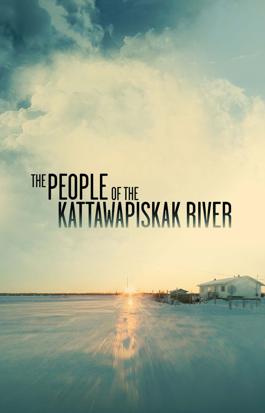
The People of the Kattawapiskak River, Alanis Obomsawin, provided by the National Film Board of Canada