Tulku
Gesar Mukpo was three when he became one of the first people born in the West to be recognized as a tulku the present-day reincarnation of a Buddhist master. For his entire life, he's been trying to figure out what that really means. Starting in the mid-1970s, Tibetan teachers including Gesar's father, Chögyam Trungpa Rinpoche; began recognizing Western children as tulkus. Suddenly, a system that had ensured stable spiritual power and authority in Tibetan society for 800 years was transplanted into a completely different culture. In this intensely personal documentary, Gesar sets out to meet other tulkus to find out …
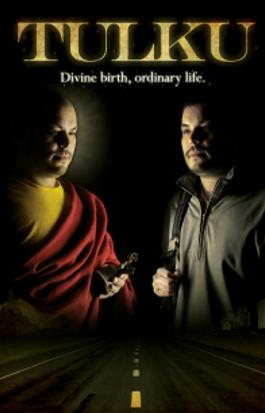
Gesar Mukpo was three when he became one of the first people born in the West to be recognized as a tulku the present-day reincarnation of a Buddhist master. For his entire life, he's been trying to figure out what that really means.
Starting in the mid-1970s, Tibetan teachers including Gesar's father, Chögyam Trungpa Rinpoche; began recognizing Western children as tulkus. Suddenly, a system that had ensured stable spiritual power and authority in Tibetan society for 800 years was transplanted into a completely different culture.
In this intensely personal documentary, Gesar sets out to meet other tulkus to find out how they reconcile modern and ancient, East and West. Journeying through Canada, the United States, India and Nepal, he encounters four other tulkus who struggle with the meaning of this profound dilemma.
What does it mean to carry on this ancient tradition designed for an old world when you're living in a completely new one? How will Gesar and other Western tulkus fulfill their destiny?
Tulku was produced as part of the Reel Diversity Competition for emerging filmmakers of colour. Reel Diversity is a National Film Board of Canada initiative in partnership with CBC Newsworld.
-
writerGesar Mukpo
-
directorGesar Mukpo
-
participationGesar MukpoDylan HendersonAshoka MukpoDzongsar Khyentse RinpocheWyatt ArnoldOgyen Trinley, His Holiness DorjeReuben Adrian Derksen
-
producerKent Martin
-
editorRohan FernandoEthan Neville
-
cinematographyPablo BryantEthan Neville
-
sound recordistJames HoaglandPablo Bryant
-
underwater cameraRobert Guertin
-
additional photographyGesar Mukpo
-
production assistantBreton Hoagland
-
translationJessie Litven
-
production supervisorPatsy Coughran
-
sound editorAlex Salter
-
archival researchGesar Mukpo
-
online editorSteve Cook
-
narration recordingJamie Alexander Alcorn
-
re-recordingAllan Scarth
-
production coordinatorStephanie CoolenVanessa Larsen
-
marketing managerCandice Desormeaux
-
centre administratorJohn William Lutz
-
executive producerKent Martin
School Subjects
Notes
Warnings: brief language
The tulkus in the film share unique perspectives as Westerners. Discuss how being a tulku has impacted their lives. Does being a tulku restrict their lives? Does it give them confidence? The filmmaker, Gesar Mukpo, went to Nepal for a year at age 15. Imagine yourself in his position and discuss or write about the struggles that could make him want to come home. Explain your views about tulkus being recognized in the Western world. Discuss the statement, “There is no certain path for any of us, other than the path of self-discovery.”
More educational content
Tulku, Gesar Mukpo, provided by the National Film Board of Canada